
Wood Painters in Plymouth
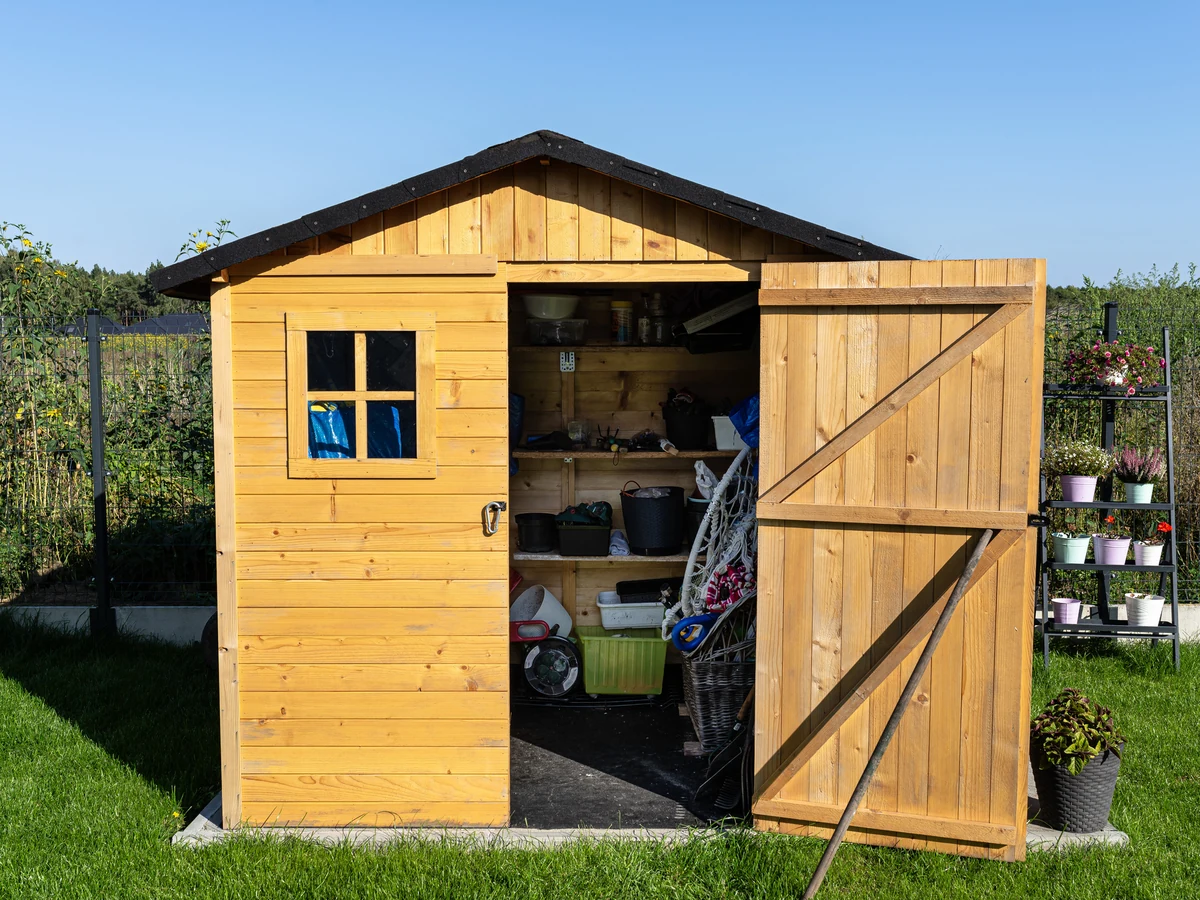
Plymouth Painters covers wood painting across Plymouth, from interior hardwood and exterior timber to staining, stripping, and bespoke joinery finishing.
- Interior hardwood finishing and staining
- Exterior timber preparation, priming, and painting
- Wood stripping and restoration on period joinery
- Oils, varnishes, and stains matched to timber species
- Softwood joinery including windows, doors, and skirtings
Eggbuckland’s 1970s to 1990s estates along Eggbuckland Road and Hobart Street were built with softwood joinery throughout. Decades of exposure and overpainting mean the timber is often saturated with old paint. Correct preparation is needed before a new coat will bond and not peel within a year.
How Plymouth Painters Works
Plymouth Painters connects Plymouth homeowners with a trusted local painter and decorator.
From the first site visit to the written quote, the work, and the guarantee that backs it, everything is handled directly between you and your decorator. We make the introduction and stay on hand; they do the work and stand behind it.
Why Choose Plymouth Painters
Wood Finish Experts
Oils, stains, and paints matched to timber species and exposure.
Clear Pricing
Your decorator provides a written quote for the agreed scope.
Fully Insured
Full public liability cover on every job, held by your decorator.
Highly Recommended
Much of the work here comes from repeat clients and referrals.
Wood Painting Services
Interior Hardwood
Interior hardwood finishing requires a different approach to softwood painting. Hardwood species such as oak, ash, and iroko are denser, less absorbent, and more sensitive to product selection.
An oil-based paint applied without the correct primer on hardwood will not bond properly. It will lift at the edges within months.
Your decorator matches the product to the timber species and the intended finish. For a natural stained look, your decorator uses penetrating oils or stains that enhance the grain rather than obscuring it.
For a painted finish on hardwood skirtings or door frames, your decorator uses a specialist primer before the topcoat.
Period properties in Mannamead and Hartley often have original hardwood flooring, staircase newels, and window boards painted over at some point. Stripping these back and refinishing with the correct oil or lacquer can transform a room.
Your decorator assesses each situation on site and advises on the most appropriate finish.
Exterior Timber
Exterior timber in Plymouth requires a well-specified paint system to handle the salt-laden south-westerly climate. Softwood fascias, bargeboards, window frames, and door frames are all vulnerable if the paint film is breached and moisture gets into the grain.
Your decorator uses the full preparation sequence on all exterior timber. This means sanding, specialist primer on bare sections, undercoat where the topcoat is a gloss, and a minimum of two topcoats in the agreed colour.
This sequence is not negotiable on coastal-adjacent properties. A single-coat finish on exterior timber in Stoke or Devonport will not last.
For properties where the exterior timber is being repainted at the same time as the masonry, see the masonry painting page. Plymouth Painters arranges both in a single visit.
Staining and Varnishing
Staining and varnishing are alternatives to solid paint that preserve the natural character of the timber. Stains penetrate the grain and allow the texture to show through.
Varnishes sit on the surface and create a clear or tinted protective film. Both have different maintenance requirements and lifespans.
For interior hardwood floors, stairs, and furniture, your decorator uses hard-wearing floor oils, lacquers, or varnishes depending on the traffic level and desired appearance. For exterior timber in sheltered positions, a quality exterior stain can be a lower-maintenance alternative to a full gloss paint system.
Your decorator advises on the correct product for each application during the site visit. The right product depends on the timber species, the exposure level, and the finish the client wants.
Stripping and Restoration
Period joinery on Plymouth’s Victorian and Edwardian properties is often obscured by decades of paint. Original pine skirtings, architraves, and door frames are sometimes found under five or six layers applied over a century or more.
Stripping back to bare timber and refinishing with a quality product reveals the original character of the joinery.
Stripping work is labour-intensive and needs careful product selection to avoid damaging the underlying timber. Your decorator uses chemical strippers for detailed moulded sections and mechanical methods for flat areas.
The stripped timber is then assessed for any damage before refinishing.
Properties in Mutley, St Judes, and Lipson often have original softwood joinery worth restoring. If the timber is in reasonable structural condition under the paint layers, stripping and refinishing gives a better result than painting over the existing surface again.
Bespoke and Softwood Joinery
Softwood joinery painting is the most common interior wood finishing task across Plymouth’s post-war housing stock. Skirtings, architraves, doors, and window boards in Eggbuckland’s 1970s to 1990s properties accumulate paint layers over decades.
When the total paint thickness becomes too great, edges lift, corners chip, and the finish looks tired regardless of the topcoat quality.
Paint build-up at the start of each job is assessed. Where build-up is excessive, your decorator sands back or strips problem areas before repainting.
Where the existing coat is sound, your decorator cleans, prepares, and applies the new coat over the top. The goal is a clean, hard-wearing finish that does not need redoing in two years.
See also our exterior painting page for properties where interior and exterior woodwork is being treated as part of the same project.
Here’s How It Works
1. Site Assessment
Your decorator visits the property to assess all timber surfaces, existing paint or stain condition, and the client’s finish requirements. This determines the correct product selection and preparation needed.
2. Written Quote
You receive a fixed written quote covering all preparation, priming, and finishing. No surprises once work begins.
3. Preparation
Your decorator sands back loose or excessive paint, strips where necessary, treats bare timber with a specialist primer, and fills any surface damage before the topcoat is applied.
4. Priming and Finishing
Your decorator applies the correct primer for the timber type, followed by the agreed finish. Interior gloss, exterior gloss, oil, stain, or varnish are all applied to the manufacturer’s instructions.
5. Final Inspection
Your decorator checks all surfaces for coverage, edge treatment, and consistency before leaving. Any missed sections or shadow areas are completed on the day.
Wood Painting Costs in Plymouth
Prices below are estimates only. Every property is different. Wood painting costs vary depending on the total surface area, timber type, and amount of preparation required. Properties with excessive paint build-up or period joinery needing stripping require more time at the preparation stage, which affects the overall price. Three things drive the price:
Full internal softwood woodwork repaint, Eggbuckland 1970…
Full internal softwood woodwork repaint, Eggbuckland 1970s semi (all skirtings, architraves, doors): £1,100 to £1,700.
Equivalent, Mannamead Edwardian detached
Equivalent, Mannamead Edwardian detached (heavier hardwood mouldings, more surface area): £2,200 to £3,400.
Exterior timber treatment only
Exterior timber treatment only (windows, fascias, one property), Compton 1930s semi: £650 to £1,000.
Areas Served in Plymouth
Professional wood painting across Plymouth and surrounding areas.
Plymouth Painters covers Plymouth city centre, Mannamead, Peverell, Mutley, Stoke, Plymstock, Plympton, Crownhill, Derriford, Eggbuckland, Southway, Hartley, Compton, Lipson, Devonport, St Budeaux, Efford, Whitleigh, Saltash, Ivybridge, Tavistock, and Torpoint.